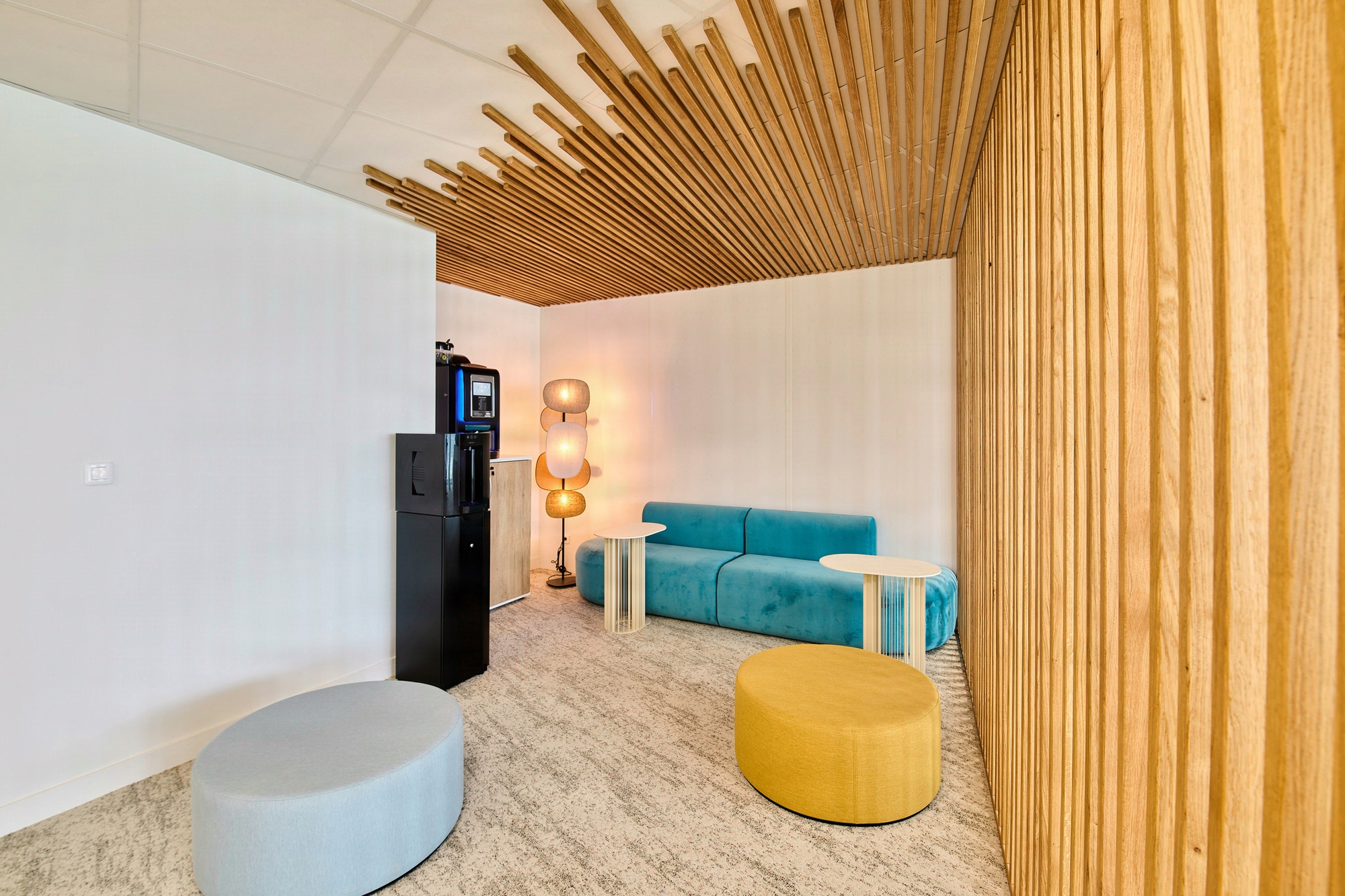
Wood and laminates for office furniture: choosing the right finish
Four wood finishes, chosen according to the use of each space
Worktops, storage fronts, reception desks, wall claddings: wood and its derivatives account for a large share of an office’s visible surfaces. Each Kytom office’s material library brings together decors and species, presented alongside floors and textiles, to settle on coherent combinations and finishes suited to the demands of each zone.

Melamine, laminate, compact, veneer: each to its zone
Four families cover the essentials of office furniture and cladding. They look alike in photos and stand apart in use: it is in hand, edges included, that the difference shows.
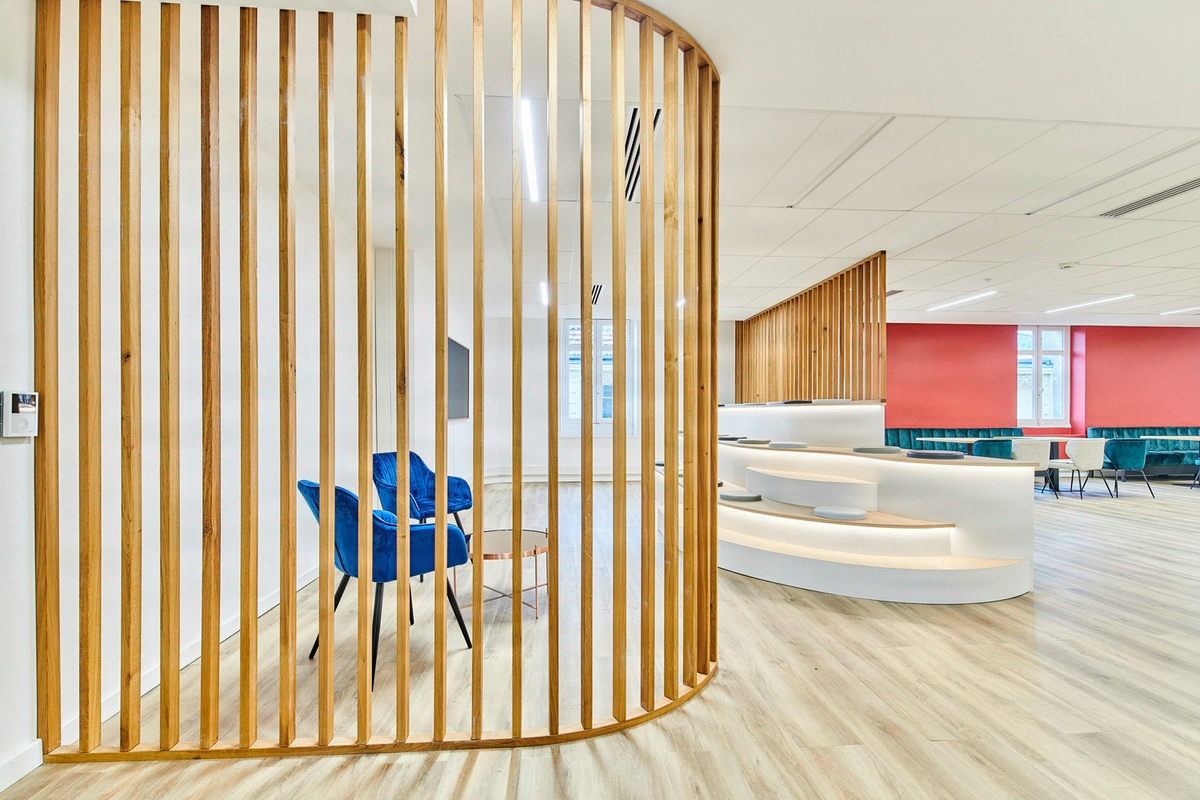
Melamine
The decor pressed onto a panel, economical and available in a wide palette. Suited to individual workstations, pedestals and storage in quiet zones.

HPL laminate
A harder surface, resistant to scratches, impacts and heat. The choice for shared worktops, benches, meeting rooms and reception desks.
Compact
The solid panel, unaffected by moisture: kitchenette countertops, restrooms, changing rooms, anywhere water is present daily.
Veneer and solid wood
Real wood, oak, walnut or ash, reserved for representation spaces. It gives a place its signature and requires appropriate maintenance.
What we check before validating a decor
- Resistance to use. Scratch, impact, heat, abrasion: the required level depends on the zone, not on taste.
- Edges and joints. The quality of a piece of furniture shows on its edges; edges are chosen and specified with the decor.
- Moisture performance. A standard panel has no place near a water point.
- Emissions and origin. The panel’s health classification and the forest certification of the species or decor, documented on the technical sheet.
- Shade under the project’s lighting. A light oak seen in daylight changes under office lighting: we validate in real conditions.
- Availability. Catalogue decor and possible restocking within the same range, for future additions.
From decor to order
- Use assessment. Each zone is assigned its level of demand: traffic, impact, moisture.
- Preselection. A few decors per family, with at least one certified option, presented alongside floors and textiles.
- Workshop at the office. Samples in hand, edges visible, shades checked under the target lighting; you decide during the session.
- Specification. Decor, thickness, edge and finish go into the furniture and fit-out specification.
Frequently asked questions
Melamine or HPL laminate for an office worktop?
Melamine suits individual workstations and storage in quiet zones; HPL laminate, more resistant to scratches and impacts, is essential on shared worktops, benches and meeting rooms. On the same floor plate, the two are often combined depending on the zone.
When should you choose a wood veneer rather than an imitation decor?
Where the wood is seen and touched up close: reception, management, board room. Elsewhere, a wood-effect laminate decor in the same shade keeps the visual coherence with superior resistance.
How can you avoid a different shade between the sample and the office?
By validating the decor under the lighting planned for the project, not in natural light, and by placing it next to the chosen floor and textiles. That is what the composed board at the office allows.


