
An ecosystem of partners, not a list of providers
Between lease signature and handover, some fifteen trades cross paths on an office floor. Without a conductor, each optimises its own lot; the project loses coherence, time and budget. Since 2006, Kytom has held this ecosystem end to end — brokers, asset managers, design teams, architects, manufacturers. One single point of contact, from intent to the last adjustment.
The Kytom partner approach across 5 profiles
-
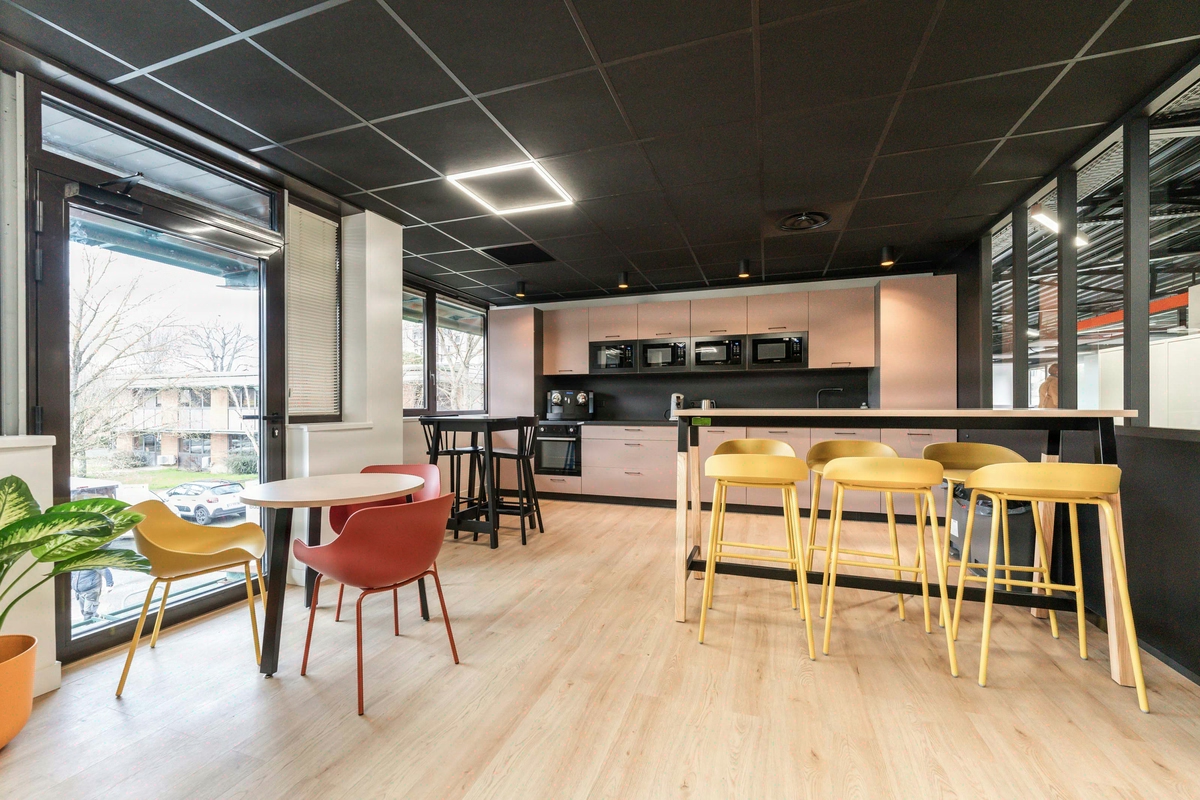
Project management consultants: the operational arm of your projects
The consultant advises and controls; Kytom delivers. Since 2006 we have carried the design and build of your office operations, from pre-zoning to handover, with a…
-
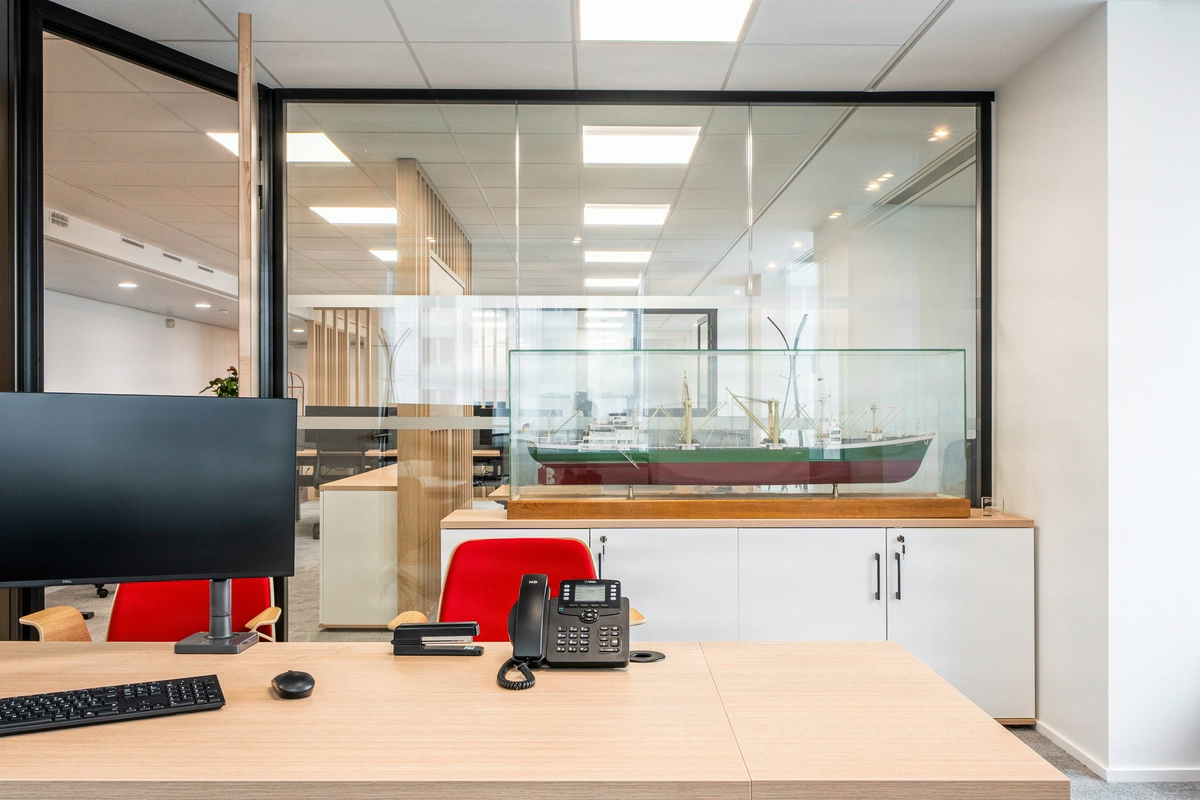
Architects: your project delivered, your signature preserved
You design, we build. Since 2006, Kytom has carried the delivery of your office projects — schedule, budget, site — without ever touching your signature or capturing your client…
-

Asset managers: your asset’s value is decided before the works
Asset managers, property companies, property managers: your asset’s value is decided before the first euro of CAPEX. Kytom steps in ahead of your works file to align the…
-
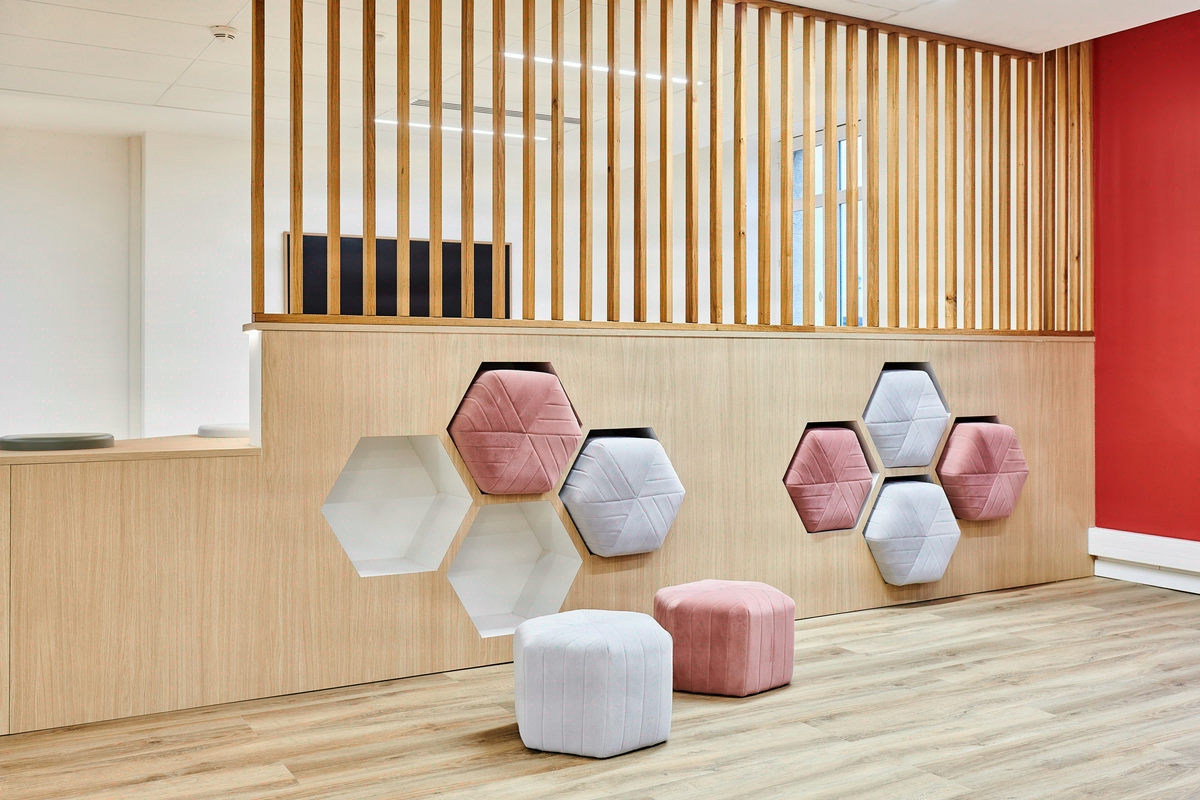
Brokers and real-estate advisors: the relay that secures your transactions
From the very first site visit, Kytom prices the feasibility within 10 days: cost range per m² by lot, schedule through to delivery. The broker keeps the commercial relationship…
-
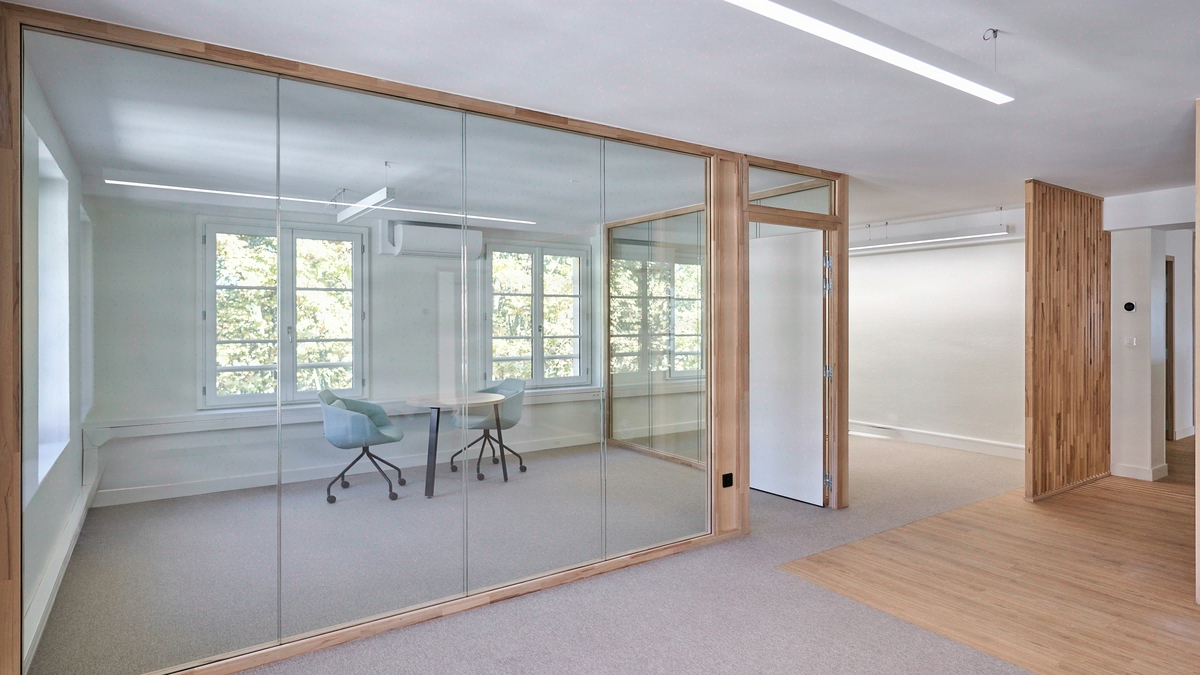
Becoming a partner: a clear and traceable framework
Brokers, asset managers, property managers, real-estate advisors, architects: since 2006 Kytom has worked alongside you on office operations. The partnership is framed and…


Brokers and asset managers: before the lease is even signed
Most of our 300 m²+ operations start with a broker. Our project managers step in before signature: technical asset audit, costed test fit, reliable works budget. Real leverage to negotiate the rent-free period.
Design team: integrated management, not a pile-up
Architect, MEP and acoustics engineers, quantity surveyor, scheduler: above 1,200 m² or in category-1 public buildings, these trades are managed together. A RACI matrix signed before the tender documents frames the interfaces and cuts change orders short.
Manufacturers: deadlines held, even under pressure
Around fifty manufacturers under annual framework agreements, across five technical families. When the spot market slows down, our lead times stay short and stable — partitions, flooring, lighting, acoustics, furniture.
Frequently asked questions
Why step in before the lease is signed?
Because a lease signed without a prior MEP audit often reveals technical extra costs three months later. Anticipating gives the broker real leverage on the rent-free period.
When does integrated management become worthwhile?
Above 1,200 m² or as soon as a category-1 safety commission is involved. Below that, a tight duo is enough and keeps design fees down.
How do you hold fit-out lead times?
Through annual framework agreements with around fifty referenced manufacturers. When the spot market slows, our lead times stay short and stable.
How are responsibilities framed with the architect?
A RACI matrix is appended to the contract before the tender documents: it clarifies interfaces and limits change orders during works.